

Why Phantom Wallet (and the Solana
So I was thinking about the Phantom wallet experience the other day.
Whoa!
At first glance it looks sleek and simple, but my instinct said there was more going on under the hood.
Honestly, somethin’ about the way it handles Solana dApps felt faster than other extensions I’d tried.
Really?
I installed the browser extension on Chrome and on Brave, and setup took maybe three minutes.
My first impression was delight.
Initially I thought the keyring would be cumbersome, but then I realized their UX reduces friction in subtle ways, like the way confirmations pop up and the small hints that guide permissioning.
On one hand it asks a lot of permissions; on the other hand the flow is clearer than many wallets.
Hmm…
Here’s what bugs me about most crypto extensions.
They either overwhelm with options or hide the useful bits behind too many clicks.
Phantom finds a middle ground, though actually it’s not perfect and you should expect tradeoffs when you prioritize speed over configurability.
I tested swapping small amounts, interacting with a couple of NFT marketplaces, and linking a Ledger.
Seriously?
Linking a hardware wallet felt a bit finicky at first.
My instinct said the device should be more plug-and-play.
Actually, wait—let me rephrase that: the process is safe, but the cues could be better for beginners, which is something Phantom seems to iterate on regularly.
There are helpful docs, but some users skip reading.
Whoa!
Security-wise I’m picky.
I like that Phantom stores keys locally, and that it uses secure enclaves on supported browsers and OSes.
However I also noticed that permissions are broad when you connect to certain sites, and that can feel risky if you don’t pay attention.
Pro tip: always review each connection request and limit approvals to what you need.
I’m biased, but that part bugs me—people sometimes blindly click through.
Performance is a big plus.
Transactions usually go through fast on Solana, and Phantom keeps the UI responsive even during spikes.
I tried sending SOL, creating a token, and minting an NFT during a weekend test, and latency remained low.
Some dApps add their own complexity, though, which can make the wallet seem slower than it is.
Hmm…
The design choices are interesting.
They favor clarity over endless toggles, which is good for most users but limiting for power traders.
On one hand you get a clean onboarding and helpful tooltips; on the other hand advanced settings are minimal, so you might want a complementary wallet for complex multisig or advanced fee control workflows.
There’s an integrated token swap function, and it’s pretty convenient for quick trades.
Really?
If you’re coming from MetaMask or from a custodial exchange, expect an adjustment in language.
I’ll be honest: gas and fees look different on Solana and that confused a few friends.
Initially I thought users would adapt quickly, but then I watched several people assume low fees meant low risk, which is not true—mistakes can still cost money, especially with phishing sites.
So you still need vigilance, hardware wallets for significant holdings, and a habit of double-checking domains.
Whoa!
Okay, I’m rambling a bit, but these are the practical things I notice when using Phantom day-to-day.
Small gripes exist.
For example, network switching and custom RPCs are less visible than in other wallets, which is fine for most folks but annoying for devs.
If you’re building on Solana, you’ll want quick access to that stuff.
Also, notifications can pile up if you authorize many sites.
I ran into a weird UI bug once where a pending transaction stayed stuck, and their support was responsive enough to help clear it.
Support response made me trust them a bit more.
They push frequent updates and occasionally explain changes in blog posts or tweets, so it’s worth following official channels for real-time alerts.
I’ll be honest, the ecosystem moves so fast that wallets can feel like they are chasing a moving target.
Whoa!
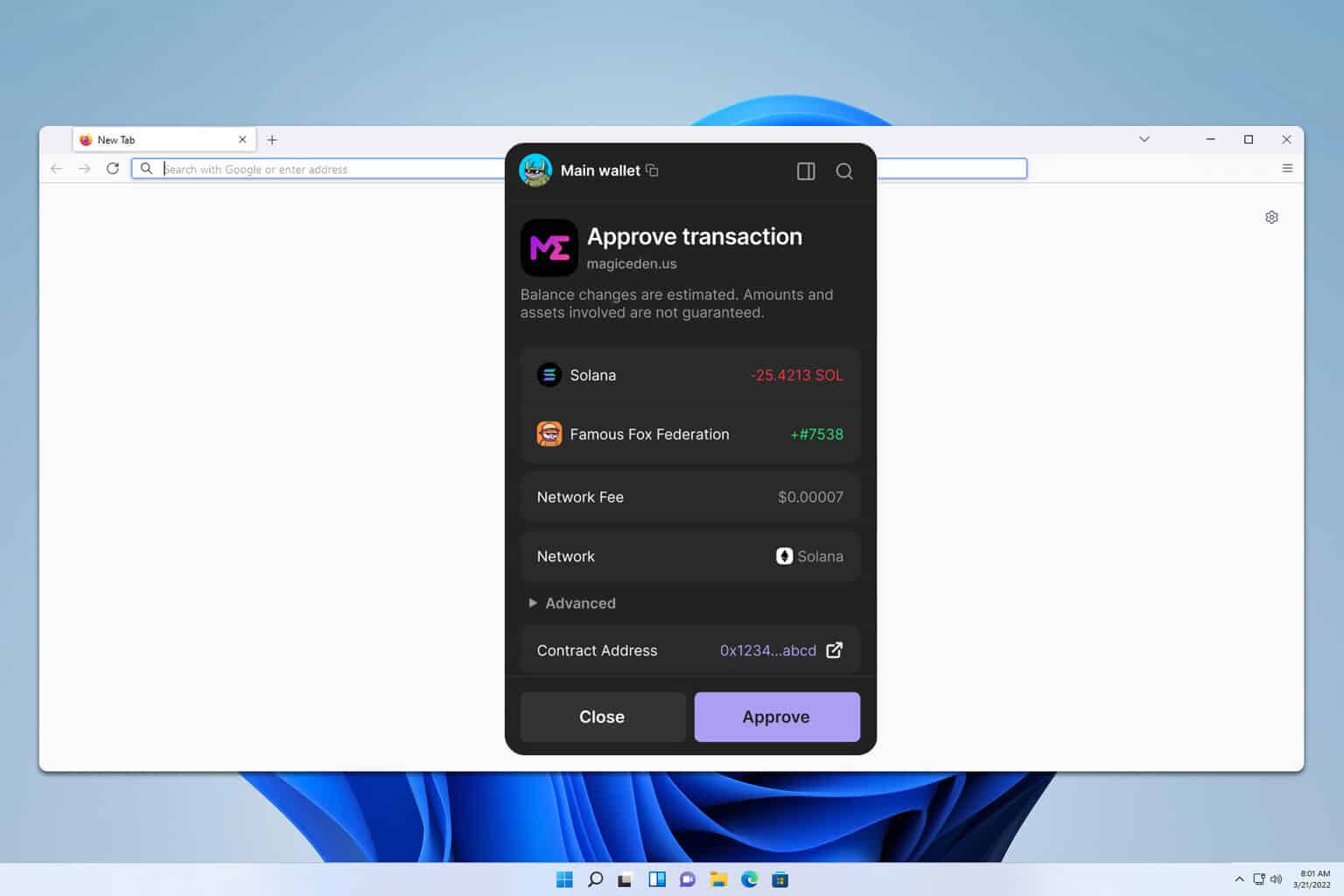
Try the Extension
If you’re ready to add Phantom to your browser, start here and take the onboarding tips seriously.
Install from a trusted source and verify the URL.
Keep seed phrases offline, write them down, and never share them with anyone.
I recommend a small test transaction first, then scale up once you feel comfortable.
Down the road, revisit your connection approvals—cleanup is very very important for hygiene.
FAQ
Is Phantom safe for beginners?
Yes, it’s designed to be user-friendly while keeping keys local, but safety is as much about user habits as the software.
Start small and use hardware when holding value.
Never accept unsolicited connection requests or sign transactions you didn’t initiate.
Can I use Phantom with a Ledger?
Yes—Ledger support exists and it’s a good move if you plan to store significant funds.
Expect an extra step when approving transactions, which adds security even though it slows things down a bit.
On one hand the workflow is slightly more complex; on the other hand that complexity protects your assets.
Ultimately, Phantom is a strong choice for Solana users who want a polished browser extension that balances speed and usability.
I’m not 100% sure it’ll be the right fit for power users with very niche needs.
But for most people getting into NFTs or DeFi on Solana, it hits the sweet spot.
Something to watch: third-party plugins and shady marketplaces—stay sharp…