
The Timeless Appeal of Cameras in P
The Timeless Appeal of Cameras in Photography
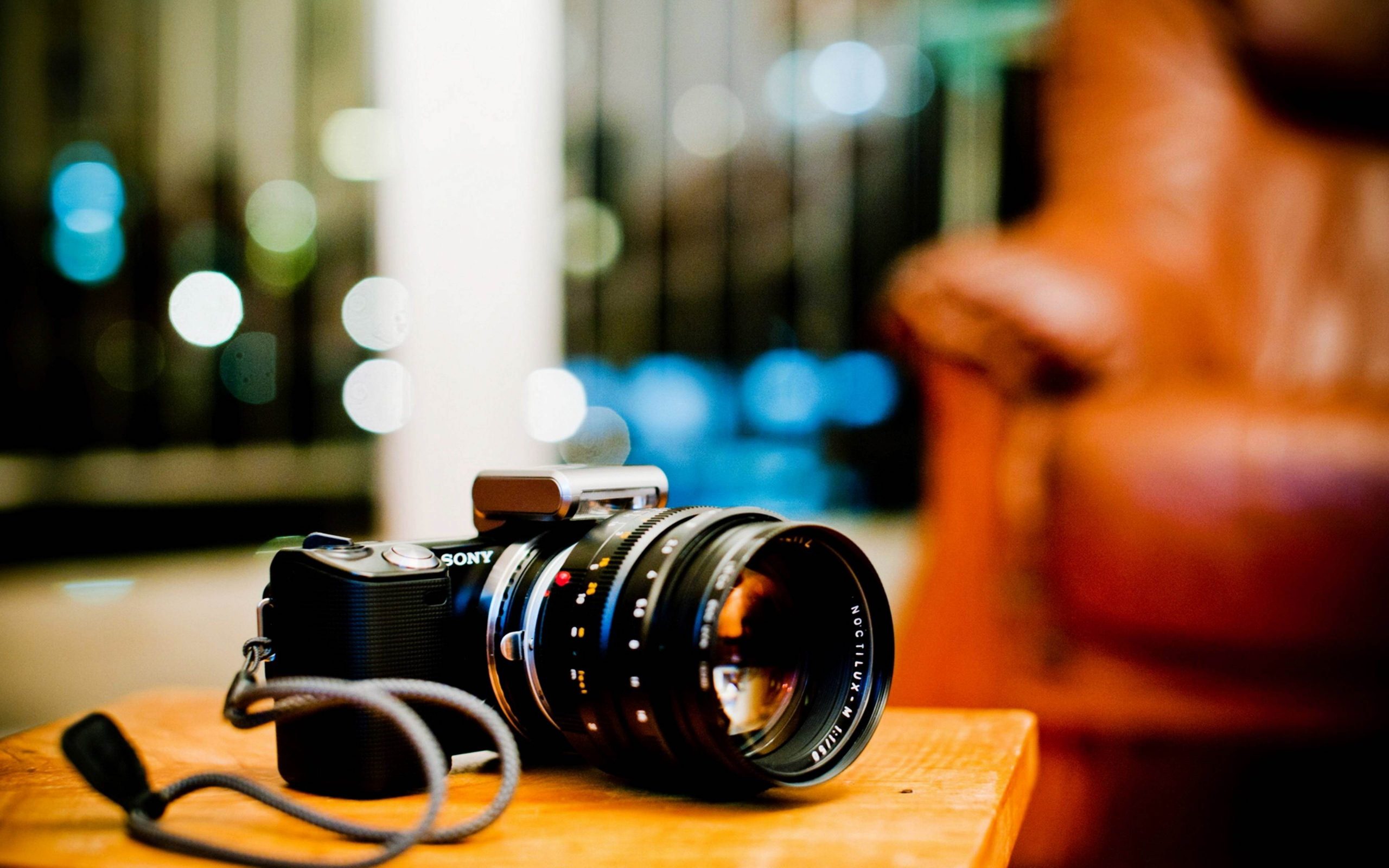
Cameras have played a crucial role in capturing moments, telling stories, and preserving memories for generations. From early film cameras to modern digital devices, photography equipment has evolved significantly, but the essence of a camera remains the same—capturing light to create meaningful images. The camera shown above reflects the classic design and craftsmanship often associated with traditional photography tools, which continue to inspire photographers even in the digital era.
Understanding the Camera and Its Components
A camera is a device used to capture images by recording light through a lens. The main components of a camera include the lens, shutter, sensor or film, and body. Each of these parts works together to produce a clear and detailed photograph.
The lens is one of the most important elements of a camera. It focuses light onto the camera sensor or film. Different lenses offer different focal lengths, allowing photographers to capture wide landscapes, detailed portraits, or distant subjects.
The shutter controls how long light enters the camera. Faster shutter speeds can freeze motion, while slower speeds can capture movement or create artistic blur effects.
The sensor or film records the light and transforms it into an image. In older cameras, photographic film was used, while modern digital cameras rely on electronic sensors.
The Beauty of Classic Cameras
Classic cameras, like the one shown in the image, have a timeless appeal. Many photographers appreciate them for their build quality, manual controls, and unique photographic style. Film cameras often require more skill and patience because photographers must carefully adjust settings such as aperture, shutter speed, and focus manually.
Using a classic camera encourages photographers to slow down and think carefully about each shot. Unlike digital photography where thousands of images can be taken instantly, film photography usually limits the number of exposures. This limitation often leads to more thoughtful composition and creativity.
Photography as an Art Form
Photography is not just about technology—it is also an art form. A camera allows photographers to express emotions, document events, and share perspectives with the world. Lighting, composition, and timing all play important roles in creating powerful photographs.
Professional photographers often experiment with angles, depth of field, and lighting to create unique visual effects. A well-crafted image can communicate a story without using any words.
Cameras are widely used in various fields including journalism, fashion, wildlife photography, travel blogging, advertising, and filmmaking. Each field requires different techniques and specialized equipment.
Digital Cameras vs Film Cameras
Modern digital cameras offer many advantages, including instant image preview, high-resolution sensors, and advanced autofocus systems. Photographers can edit images quickly and share them online within seconds.
However, film cameras still maintain a strong following among photography enthusiasts. Film photography produces unique color tones and textures that many photographers consider more artistic and authentic.
Both digital and film cameras have their own strengths. Digital cameras are more convenient and efficient, while film cameras provide a nostalgic and creative photographic experience.
Choosing the Right Camera
Selecting the right camera depends on the photographer’s goals and skill level. Beginners may start with entry-level digital cameras or mirrorless systems that offer automatic settings and easy controls. More experienced photographers often prefer professional cameras with advanced manual features.
Important factors to consider when choosing a camera include sensor size, lens compatibility, resolution, portability, and budget. A good camera should match the photographer’s style and intended use.
The Future of Photography
Technology continues to transform the world of photography. Modern cameras now include features such as artificial intelligence autofocus, image stabilization, and high-speed continuous shooting. Smartphones have also made photography accessible to billions of people worldwide.
Despite these advancements, traditional cameras still hold a special place in the hearts of photography lovers. The tactile experience of adjusting a lens, hearing the shutter click, and capturing a perfect moment remains timeless.
Conclusion
Cameras are more than just devices; they are tools for storytelling, creativity, and memory preservation. Whether using a classic film camera or the latest digital model, photography allows people to capture the beauty of the world around them. As technology continues to evolve, the passion for photography will always remain strong, driven by the desire to freeze moments in time and share them with others.